객체지향 프로그래밍은 소프트웨어 개발 업무의 복잡성이 높아지고 있는 환경에서 보다 명료하고, 신뢰성 있으며, 유지보수를 쉽게 할 수 있는 프로그램을 개발할 수 있도록 하기 위한 문제 접근 방법이다. 본 과목에서는 C++ 언어를 중심으로하여 객체지향 프로그래밍의 개념들을 프로그램으로 구현하기 위한 능력을 배양하는데 목표를 두고 있다. 주요 내용은 다음과 같다. - C++ 프로그래밍 언어의 기본적인 문법요소 - 활용한 객체지향 프로그래밍을 위한 클래스 및 상속의 활용 - 템플릿을 이용한 일반화 프로그래밍의 활용 - STL의 이해와 활용 - 예외처리 구문의 활용
Object-oriented programming is an approach to problems that enables to develop programs that are clear, reliable and easy to maintain in an environment with increasing complexity of software development tasks. This course aims to help students develop the ability to write programs. using C++ programming language based on concepts of object-oriented programming. Major topics to be covered are as follows. - Basic grammar of the C++ programming language - Class declaration and inheritance in C++ language - Generic programming with C++ templates - Standard Template Library (STL) - Exception handling



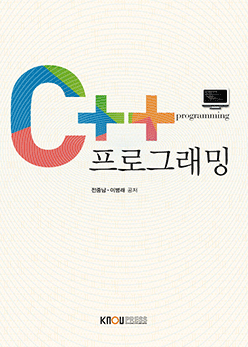
객체지향 프로그래밍은 소프트웨어 개발 업무의 복잡성이 높아지고 있는 환경에서 보다 명료하고, 신뢰성 있으며, 유지보수를 쉽게 할 수 있는 프로그램을 개발할 수 있도록 하기 위한 문제 접근 방법이다. 본 과목에서는 C++ 언어를 중심으로하여 객체지향 프로그래밍의 개념들을 프로그램으로 구현하기 위한 능력을 배양하는데 목표를 두고 있다. 주요 내용은 다음과 같다.
- C++ 프로그래밍 언어의 기본적인 문법요소
- 활용한 객체지향 프로그래밍을 위한 클래스 및 상속의 활용
- 템플릿을 이용한 일반화 프로그래밍의 활용
- STL의 이해와 활용
- 예외처리 구문의 활용
Object-oriented programming is an approach to problems that enables to develop programs that are clear, reliable and easy to maintain in an environment with increasing complexity of software development tasks. This course aims to help students develop the ability to write programs. using C++ programming language based on concepts of object-oriented programming. Major topics to be covered are as follows.
- Basic grammar of the C++ programming language
- Class declaration and inheritance in C++ language
- Generic programming with C++ templates
- Standard Template Library (STL)
- Exception handling